
Growing out layers can feel like a waiting game. One month your haircut feels structured and balanced, and the next it feels uneven, heavy at the bottom, or thin at the ends. That awkward in between stage is what usually makes people give up and cut everything again.
The good news is that growing out layers does not have to feel messy. With the right haircut strategy, transitions can look intentional instead of unfinished.
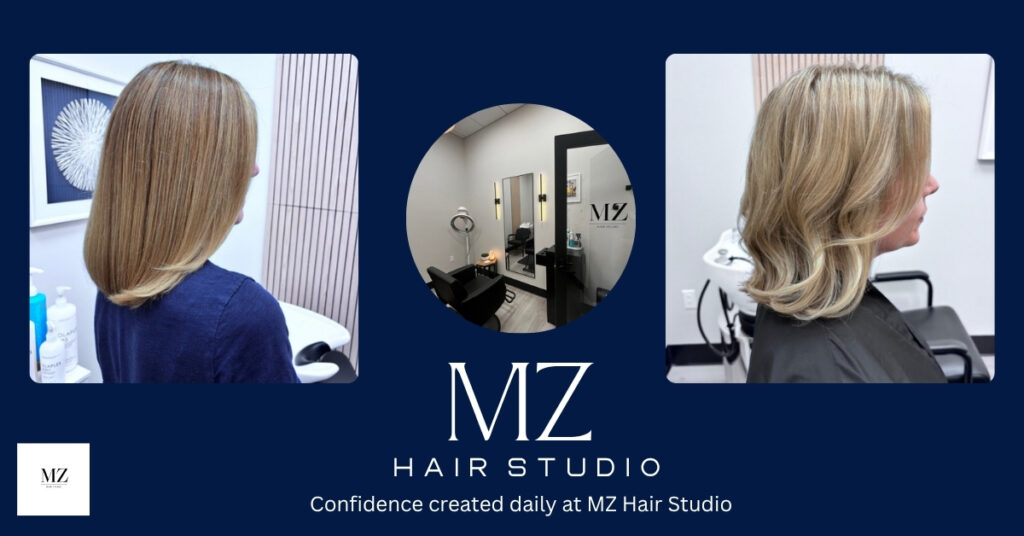
Why Growing Out Layers Creates Imbalance
Layers are designed to create movement and remove weight. When they begin to grow, that original structure shifts. The shorter pieces no longer sit where they were designed to, and the overall shape can lose balance.
This is when styling becomes harder. You may notice:
• Ends that feel thinner than usual
• A bulky bottom section
• Flatness at the crown
• More time needed to make everything blend
If your haircut suddenly feels like it is working against your hair type, it may be time to reassess the shape. I go deeper into this in my post about when your haircut is working against your hair type, because structure directly affects manageability.
If you are unsure how to transition smoothly, you can always book a professional haircut consultation to create a growth plan that supports your length goals.
The Key Is Strategic Blending, Not Cutting It All Off
One of the biggest mistakes people make when growing out layers is avoiding trims completely. Skipping maintenance often leads to split ends and uneven growth, which actually makes the awkward phase last longer.
Instead of removing length, the focus should be on blending. Small, intentional refinements allow shorter pieces to merge gradually into the longer sections.
Light trims protect your ends from splitting upward and support stronger length retention over time.

Soft Shape Adjustments Create Seamless Hair Transitions
Seamless transitions happen when the haircut evolves as your hair grows. Rather than leaving the original layer structure untouched, the shape is adjusted in subtle stages.
This approach prevents:
• The triangle effect where the bottom becomes too wide
• Gaps between layers
• Overly heavy ends
• Excessive styling time
If you want to see how balanced transitions look in real life, you can explore examples in my hair portfolio.
How Often Should You Trim While Growing Out Layers?
This depends on your hair density, texture, and styling habits. Completely avoiding trims can cause breakage to cancel out growth progress.
Regular maintenance trims keep the ends strong while still allowing length to build. If your ends feel thin or fragile, it may be time for refinement rather than a dramatic cut.
My approach focuses on long term shape planning rather than reactive cutting, which you can learn more about on the about MZ Hair Studio page.

Signs You Need a Shape Adjustment
You may need a structured reshape if:
• Your hair feels harder to style than before
• The bottom looks heavy and shapeless
• The top feels flat or disconnected
• You rely on heat daily just to blend layers
Growing out layers should not require constant correction. The right transitional cut makes styling easier, not more complicated.
If you are unsure whether your current shape needs adjustment, you can always reach out through the contact page before booking.
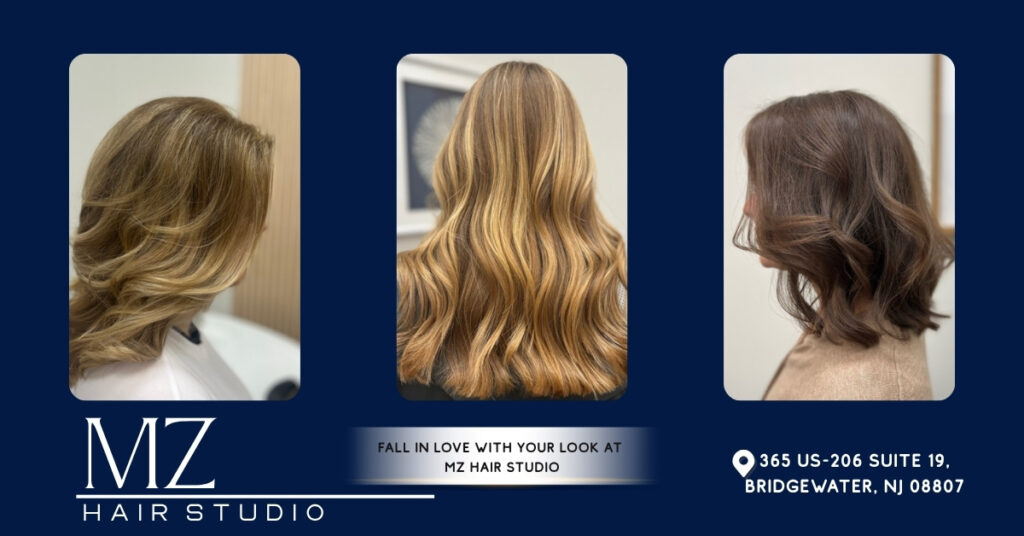
Why Planning Ahead Prevents the Awkward Phase
The awkward phase usually happens when there is no growth strategy. When you plan your transitions in advance, each trim supports the next stage.
Instead of reacting to unevenness, the shape evolves gradually and intentionally. This keeps your hair looking polished while you grow it longer.
When you are ready to transition your layers without sacrificing length, you can book your appointment online.
For more guidance on trims, growth retention, and haircut strategy, explore additional posts on the MZ Hair Studio blog.