
Have you ever noticed that your hair behaves completely differently depending on the time of year? Your hair may feel smooth and manageable one season, then suddenly become frizzy, dry, flat, or difficult to style the next. If so, you are not imagining it.
Seasonal weather changes have a significant impact on hair health. Temperature, humidity, wind, sun exposure, and indoor heating can all affect how your hair looks and feels throughout the year.
Understanding how each season affects your hair can help you make better decisions about maintenance, styling, and overall hair care.
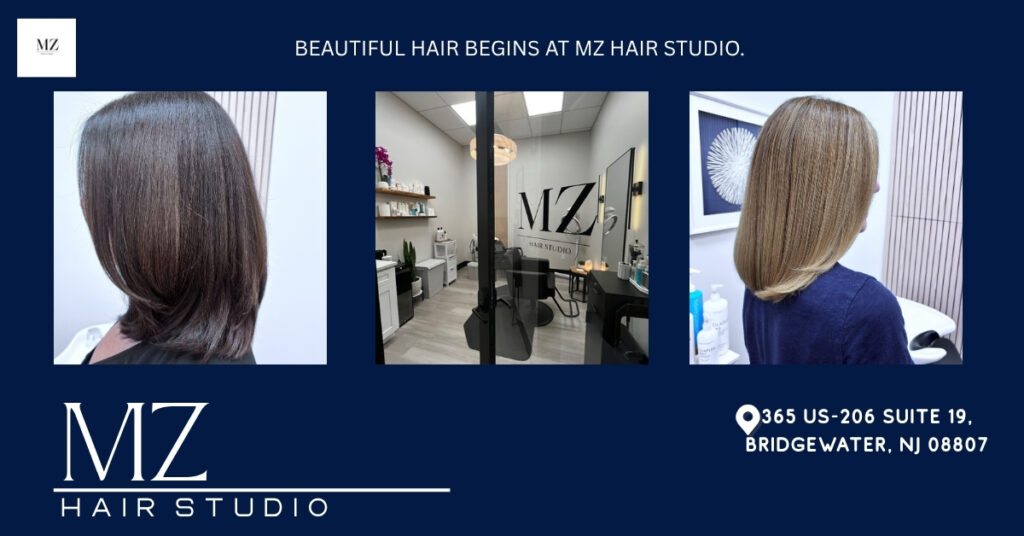
Why Your Hair Changes With the Seasons
Hair constantly reacts to its environment. Changes in humidity, moisture levels, and temperature affect the hair shaft and scalp.
During some seasons, hair absorbs excess moisture from the air, leading to frizz and swelling. During others, dry air strips moisture away, leaving hair brittle and more prone to breakage.
If your hair suddenly feels different despite using the same products, seasonal weather may be the real reason.
If you are struggling with dryness, frizz, or increased breakage, it may be time to book a professional hair consultation or treatment service to create a seasonal care plan.
How Summer Heat Affects Your Hair
Summer often brings increased humidity, higher temperatures, and more sun exposure. While many people love the warmer weather, it can be challenging for hair.
Common summer hair concerns include:
• Increased frizz
• Dryness from sun exposure
• Color fading faster than usual
• More frequent washing due to sweat and oil production
• Tangling from swimming and outdoor activities
Hair exposed to intense sunlight can lose moisture more quickly, making it feel rough and difficult to manage.
If you want to see healthy, well maintained hair throughout every season, you can browse examples in my hair portfolio.

Why Fall Often Feels Like a Transition Period
Many women notice increased shedding during the fall months. While this can feel alarming, seasonal shedding is relatively common.
The transition from summer to cooler weather may also leave hair feeling slightly drier than usual. This is often a good time to focus on moisture balance and evaluate any damage accumulated during the warmer months.
Regular maintenance appointments during seasonal transitions can help prevent minor issues from becoming larger concerns.
Winter Can Lead to Dryness and Breakage
Winter is often the most challenging season for hair health. Cold outdoor temperatures combined with indoor heating create an environment that pulls moisture from both the hair and scalp.
Common winter concerns include:
• Dry ends
• Static electricity
• Increased breakage
• Dull appearance
• Scalp dryness and flaking
Hair that already struggles with moisture retention may become even more vulnerable during winter.
My approach focuses on adapting hair care routines throughout the year rather than using the exact same strategy every season, which you can learn more about on the about MZ Hair Studio page.
Spring Brings Humidity and Seasonal Adjustments
As temperatures rise and humidity returns, many people notice frizz becoming more noticeable again.
Hair that became dry during winter may react differently as environmental moisture increases. This often requires adjusting products and styling techniques to maintain balance.
Spring is also a great time to refresh your haircut and remove winter damaged ends before warmer weather arrives.
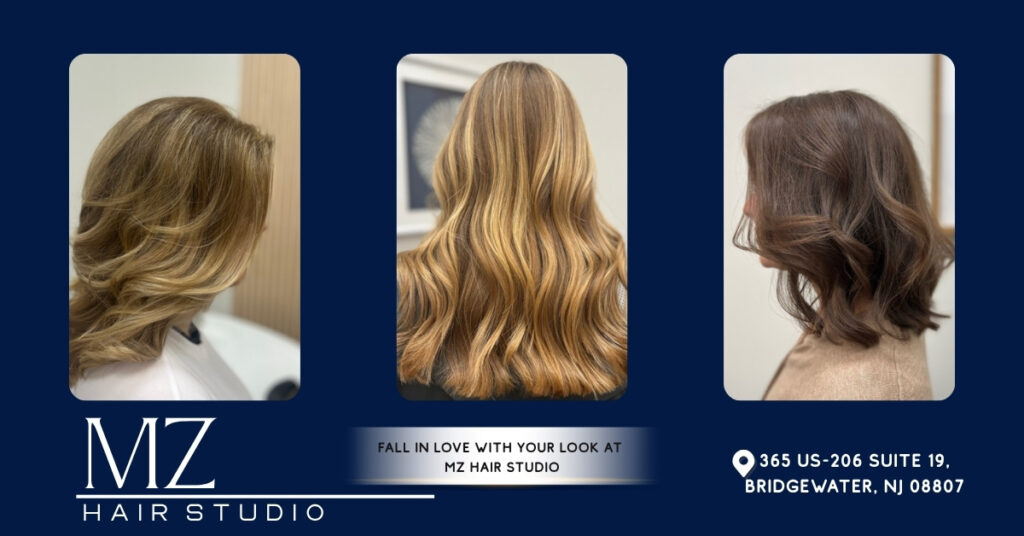
How Seasonal Changes Affect Hair Color
Weather affects more than just texture. Hair color can also respond differently throughout the year.
Sun exposure can cause fading, while dryness may make color appear dull or uneven. Seasonal maintenance helps keep your color looking fresh and vibrant regardless of the weather.
If you notice your color looking different from season to season, it may be worth adjusting your maintenance schedule.
Why Your Scalp Changes Throughout the Year
Just like your skin, your scalp responds to environmental changes.
Summer may increase oil production, while winter often causes dryness and irritation. Understanding these seasonal shifts helps create a healthier foundation for hair growth and overall hair health.
If you are experiencing persistent scalp issues, you can always reach out through the contact page for personalized guidance.
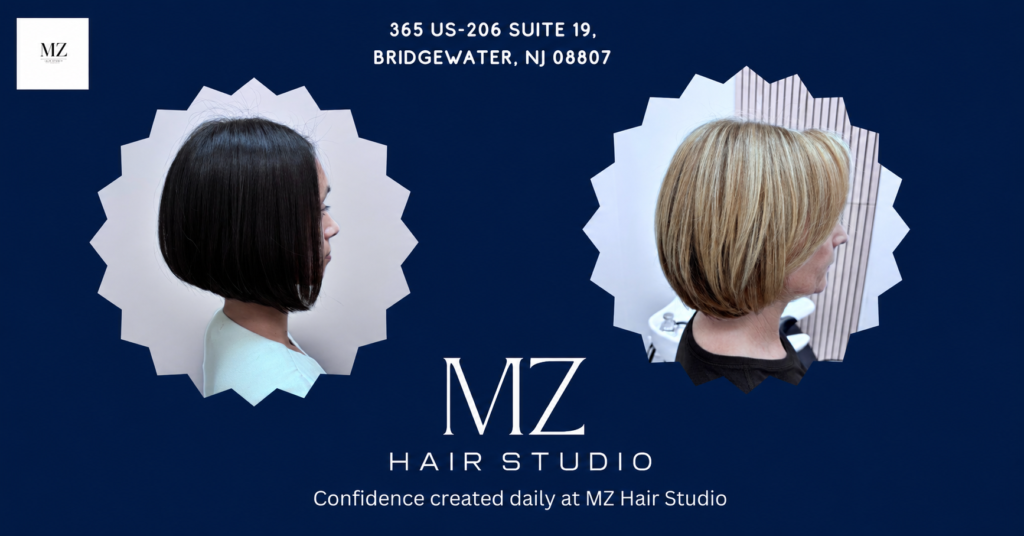
How Professional Care Helps During Seasonal Changes
One of the biggest mistakes people make is keeping the exact same routine all year long. Hair needs change as weather conditions change.
Professional treatments, strategic trims, and personalized recommendations help your hair adapt to each season more effectively. Small adjustments can make a significant difference in how your hair feels and performs throughout the year.
When you are ready to update your routine and keep your hair healthy through every season, you can book your appointment online.
Continue Learning About Hair Health and Maintenance
The better you understand how weather affects your hair, the easier it becomes to prevent dryness, frizz, breakage, and seasonal setbacks.
For more practical hair care advice, styling tips, and maintenance guidance, explore additional articles on the MZ Hair Studio blog.