
If your hair feels full near the roots but noticeably thinner toward the ends, you are not imagining it. Thin ends are one of the most common concerns for women trying to grow their hair longer. Many assume their hair is growing unevenly or becoming less dense, but in most cases the real cause is breakage, delayed trims, or a shape that no longer supports healthy retention.
Understanding why your ends look thin is the first step toward restoring fullness and making visible progress with length.
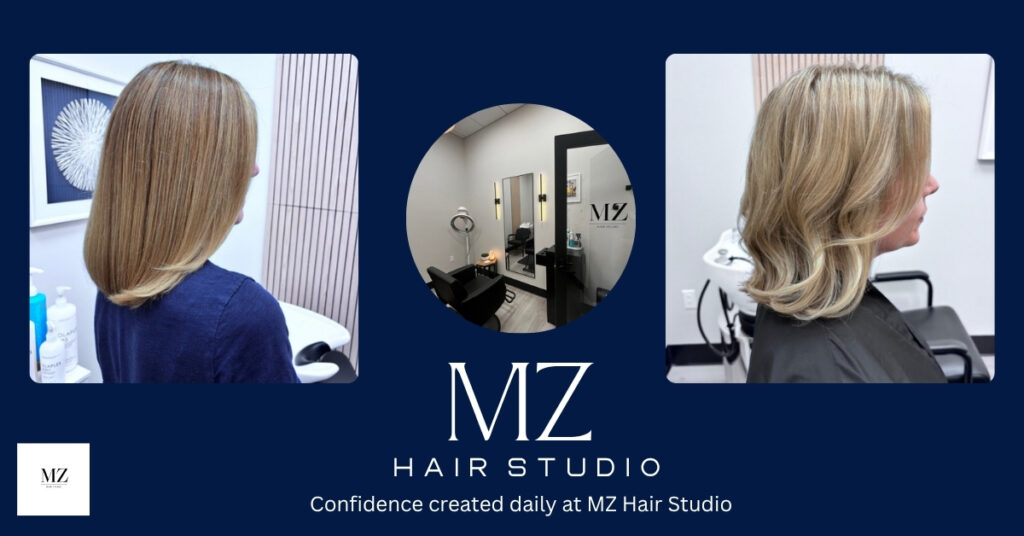
Thin Ends Usually Mean You Are Losing Length Faster Than You Think
Hair grows at the scalp, but visible growth depends on how well the ends are protected. If your hair is breaking gradually due to dryness, heat stress, or friction, the perimeter becomes weaker over time.
This creates the illusion that your hair is not growing. In reality, new length is forming while older sections continue to split and snap.
If you are unsure whether breakage is affecting your progress, it may be time to book a professional haircut or treatment service to evaluate the condition of your ends.
Split Ends Do Not Stay at the Bottom
One of the biggest misconceptions is that split ends remain at the very tips. When trims are delayed too long, splits can travel upward along the hair shaft. This causes sections of hair to become progressively thinner.
As more strands weaken at different points, the overall perimeter starts to look see through or uneven. Styling becomes more difficult because the ends refuse to hold structure.
If you want to see what strong, balanced density looks like after proper maintenance, you can explore real results in my hair portfolio.
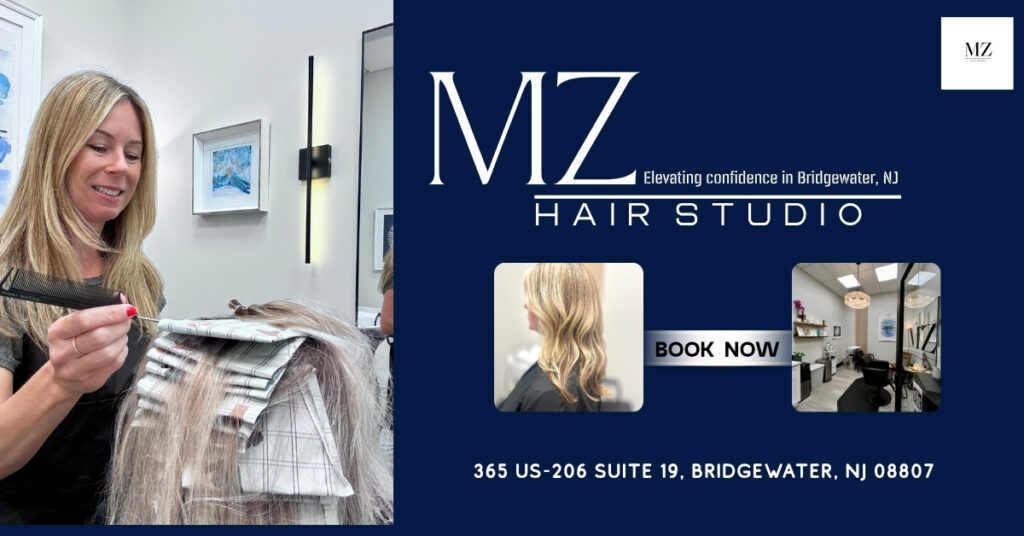
Uneven Haircuts Can Make Ends Look Sparse
Sometimes thin ends are not only caused by damage. A haircut that removed too much internal weight or was not designed for your density can also create the appearance of thinning.
As layers grow out without strategic blending, the bottom may start to look fragile while the mid lengths feel heavy. This imbalance makes the ends appear weaker than they actually are.
This is why shape planning matters. Haircuts should evolve as your hair grows so density stays visually balanced.
Heat Styling Often Targets the Oldest Hair First
The ends are the oldest part of your hair. This makes them more vulnerable to moisture loss and mechanical stress. Repeated blow drying or straightening without proper recovery can gradually reduce elasticity.
Over time, ends begin to snap more easily. This leads to shorter, uneven pieces that create a thinner appearance.
Balancing heat use with maintenance trims helps preserve fullness and improve overall manageability.
If you are unsure how to adjust your routine, you can always reach out through the contact page for guidance before making major changes.
Product Buildup Can Create a False Sense of Thickness
Heavy product layering may make the mid lengths feel coated while the ends remain dry. This contrast can exaggerate how thin the bottom looks.
Simplifying your routine and focusing on moisture balance often improves how dense your ends appear. Hair that moves naturally tends to look fuller than hair weighed down by excess residue.
My overall approach focuses on realistic growth retention and maintenance planning, which you can learn more about on the about MZ Hair Studio page.

How to Restore Fuller Looking Ends
Restoring fullness is not about removing large amounts of length. It is about strategic refinement.
Light perimeter trims remove weakened sections while maintaining progress. Moisture focused care improves flexibility, helping hair resist breakage. Subtle shape adjustments redistribute density so the ends look stronger and more defined.
When these steps are combined, hair begins to feel healthier and easier to style.
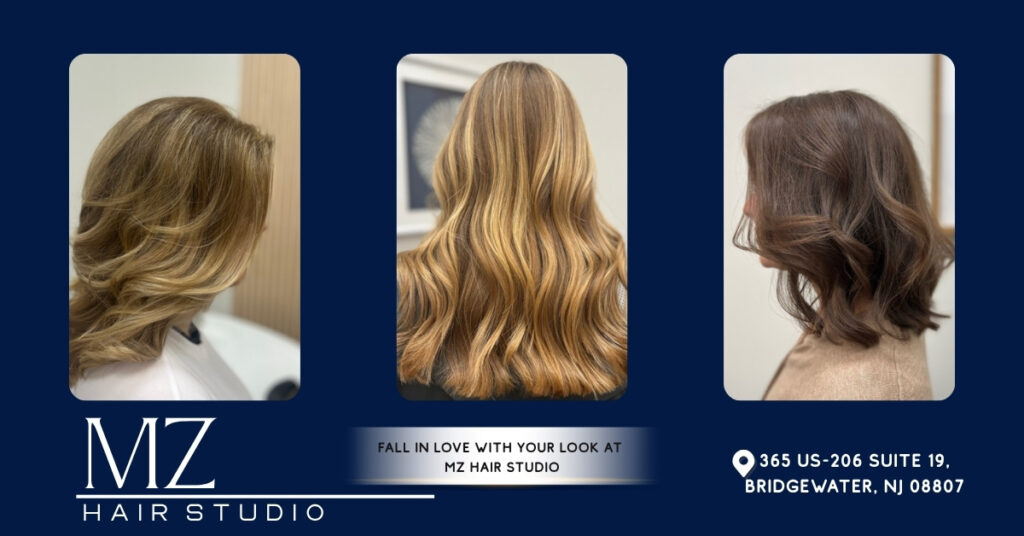
When It Is Time to Schedule a Maintenance Trim
If your ends feel rough, tangle easily, or look transparent in bright lighting or photos, it is usually a sign that maintenance is overdue. Waiting longer often means more length needs to be removed later.
When you are ready to strengthen your ends and support healthier growth, you can book your appointment online.For more guidance on breakage prevention, trimming strategies, and long term hair health, explore additional education on the MZ Hair Studio blog.